

Acrylics vs oils: get to know the differences - millerhambir
Acrylics vs oils: get to know the differences
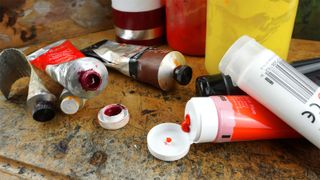
Oil paint and acrylics are cardinal popular painting mediums for artists, but which one should you use for your work? To each one has its own properties that give it specific advantages and disadvantages, suiting IT to some painting approaches more than others.
Some types of paint come in artists' and professional ranges, which mark intermediate and high-end quality, as opposed to cheaper student quality. It is important to pick good quality paint, such equally those in our guide to the best anoint paints. Information technology is also a good idea to work at an easel in both oils and acrylics – chip out our incomparable easel lowdown if you need to get one – as it gives the weapon mountain of room for expressive brushstrokes and helps prevent the hand from smearing the house painting.
In this station, we're going to compare the samara differences of acrylics vs oils and explore different aspects of using each paint.
What are acrylics and oils?
Acrylics and oils each have unique characteristics that suit different painting approaches.
Oil paint has existed in some form for hundreds of years. Information technology consists of found up pigments to give it colour, an inunct to carry the pigment, and stabilisers. Some paints may have extra additives, like driers, or fillers to reduce costs. Because these paints are oil-based, they are not soluble, and require solvents or oils to thin them out and clean them.
Acrylic paints are relatively new, being wide available since the 1960s. They ordinarily consist of pigment, an acrylic polymer, and water, which acts atomic number 3 a carrier. The acrylic paint polymer is emulsified in the water, and as the piddle evaporates, it dries and hardens.
As they are newer, acrylics are less swell-tested than oils, though both types of paint are insensitive wearing and cover similar color selections.
Acrylics vs oils: convenience and repose of use up
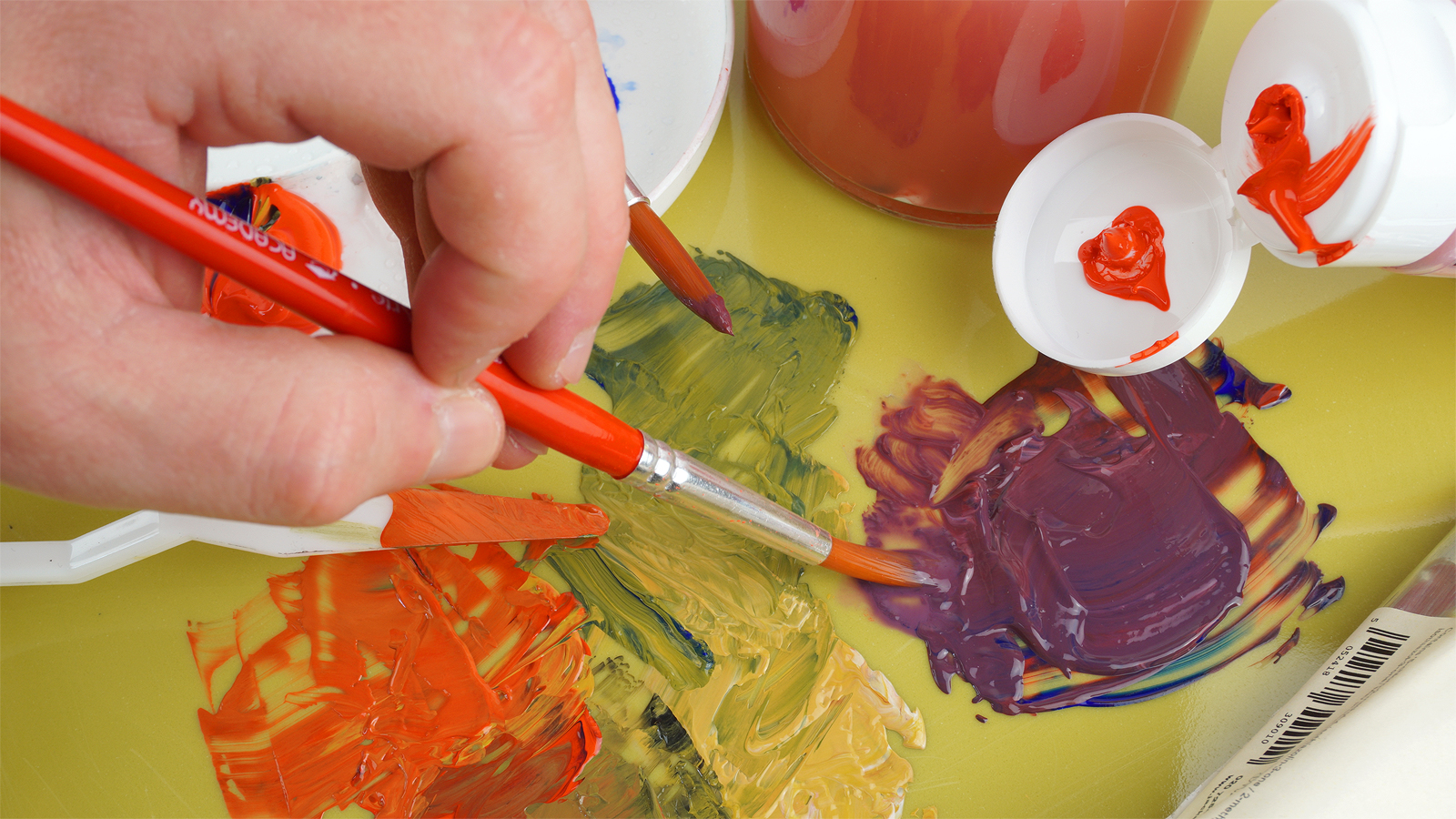
When IT comes to convenience, acrylics are water-soluble, and are easier to set up and neaten compared to oils – A overnight as they don't dry out on anything! The additional equipment needed to get started is straightforward, as water with plastic pots and surfaces is fine. Oils need solvents to thin the paint and indigence metal and awkward equipment that won't be damaged aside them.
The initial learning curve for acrylics is a bit easier than oils, since it is possible to get started by cutting them with water. When starting out with oils, learning how to use thinners and mediums takes a little more time. It is also immodest to understand the basics about how oil paints dries.
The fast drying times of acrylics can wee them more hard to keep in line. It is easygoing to push around operating theater withdraw oil paint thanks to its slower drying time, which makes information technology a bit much forgiving.
Acrylics vs oils: cost
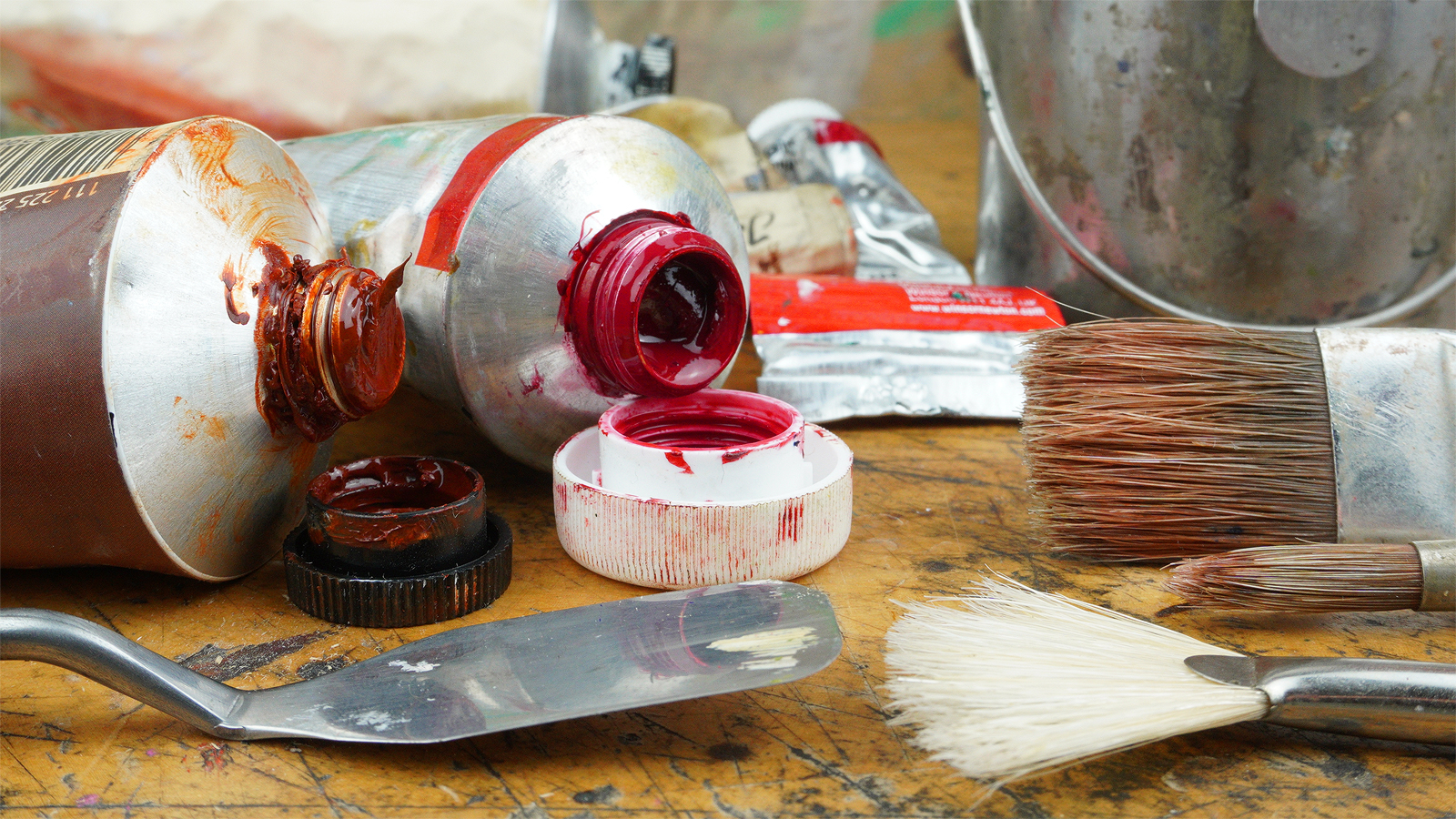
The initial outlay of acrylics is less expensive than that of oils because they necessitate less specific equipment and canvases – acrylic paint adheres good to a wide range of surfaces and will not damage anything strong enough to support wet media. Oil paints require more specific kit, much as items found in this guide (link for oil paint kit up) which makes the cost of starting out much high.
It is easy to find threepenny acrylic paints, but the quality of these is often and then penniless, they are too difficult to use, whilst student quality oils should be smooth for beginners. Quality acrylic rouge doesn't disagree much in price to similar quality oils, with prices starting at just about $7-8/£6-7 per underground and increasing depending on pigment costs. A few tubes of higher quality paint, such as Liquitex Professed Soft Body Acrylic Key , or Golden's Gruelling Body rang will embody easier to function with than cheap sets, and will have better colour.
In the long term, embrocate blusher tends to choke far than acrylics and practice less terms to equipment like brushes (here's how to clean paintbrushes if you require a refresher course), making it more than affordable over time.
Acrylics vs oils: safety
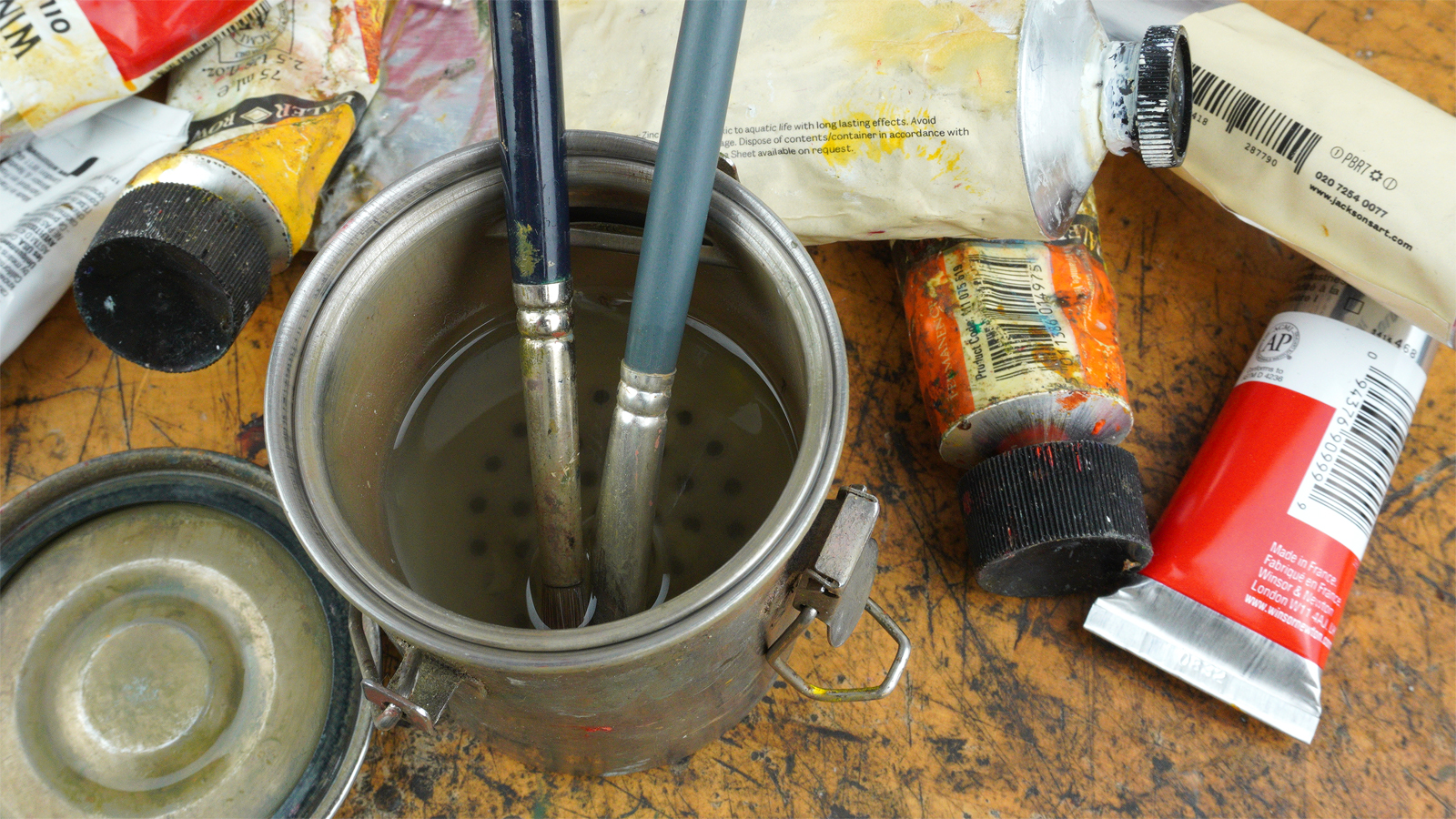
Safety is a significant factor when working with paint. Acrylics run to be safer than oils because they are water-water-soluble, and don't require any solvents. However, some types of blusher have colours in their ranges that contain toxic pigments, such as cadmium or cobalt, that shouldn't embody ingested.
Unrivaled significant downside of using oil paints is that a petroleum solvent is required to thin paint and clean equipment. Nearly all solvents bring out exhaust – even the low odour ones – and therefore require ventilation, and proper containers.
Acrylics vs oils: clean up
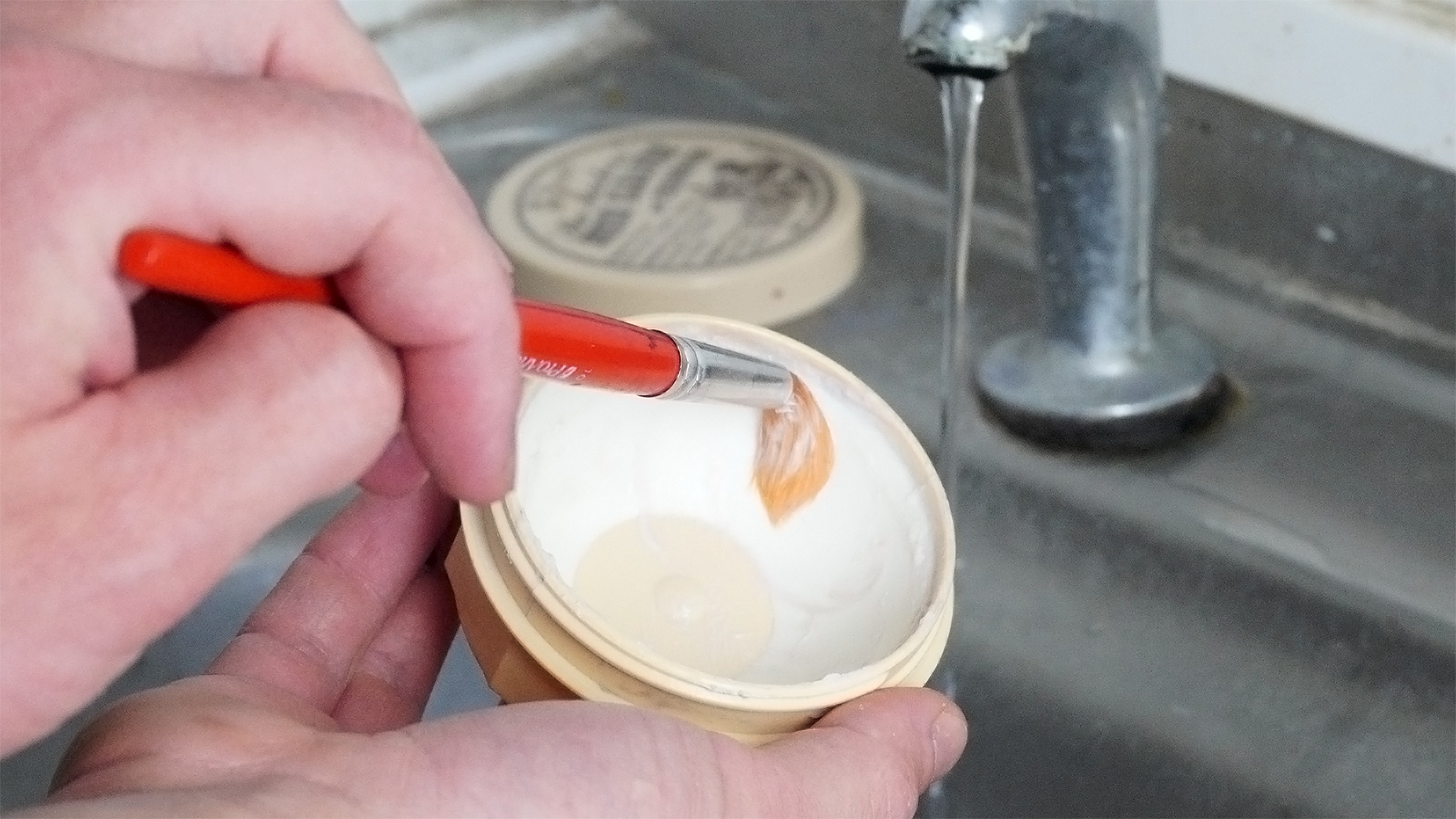
Cleaning upfield is essential for holding equipment in good specify. Typically acrylics are easier to clean up, as the paint easily washes out of brushes with water. Palettes can be wiped off and rinsed if the paint is still wet. However, once acrylic fiber paint dries, cleaning it is a whole different story. It can be difficult to remove from surfaces, and may require scrape off. When acrylic paint dries inside the bristles of a brush, it makes the brush stiff and ruins its shape. This is almost impossible to clean and destroys the brush.
The downside of oils is that they use solvent for cleaning. The brushes tend to need laundry out with soap after this which is a bit more work. Notwithstandin, it is a lot easier to wash drawing out dried on oil paint from a clash, especially with a good quality max such as Masters Brush Renovator . This substance that the equipment used with oils tends to last longer.
Acrylics vs oils: drying Times
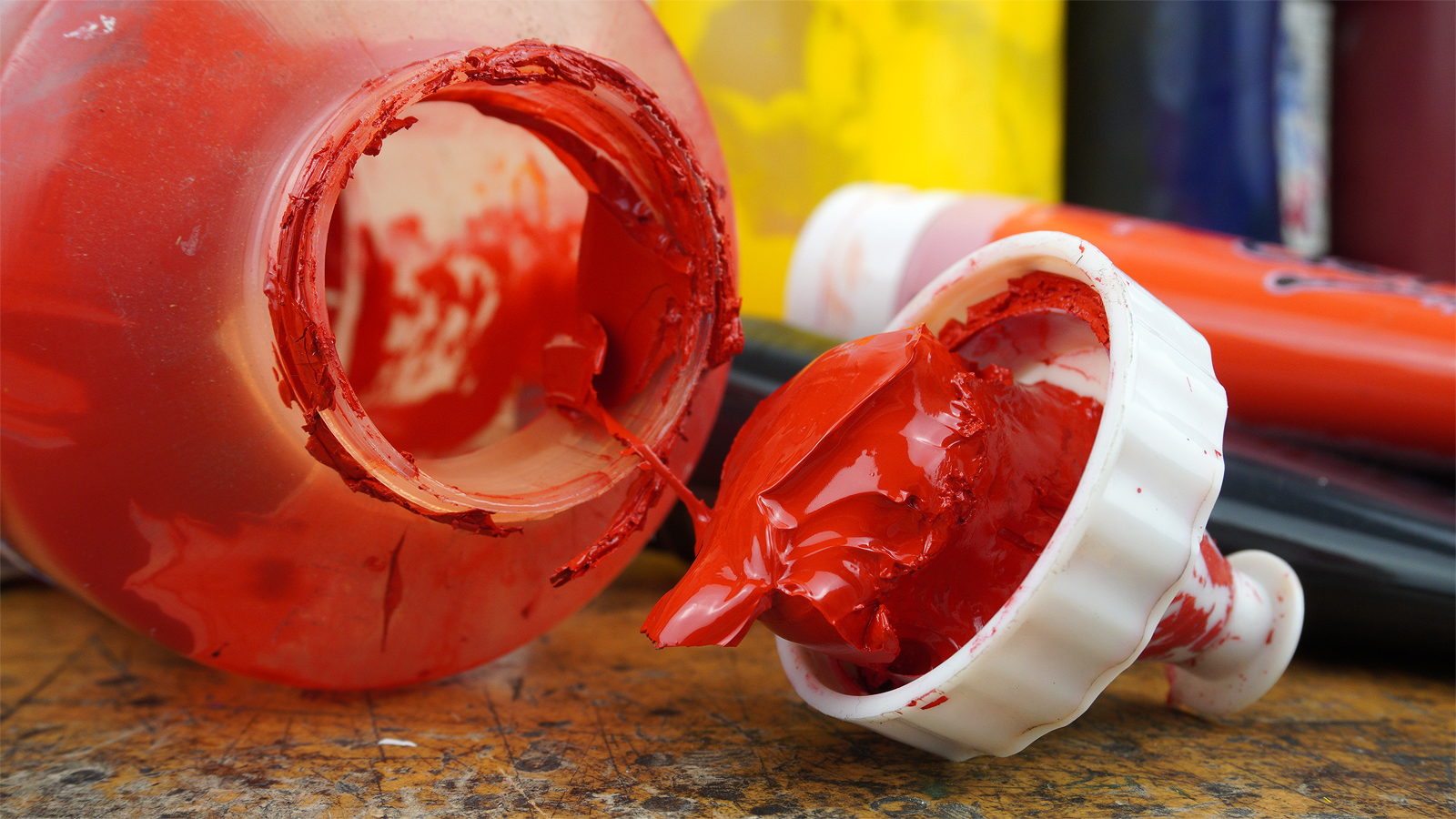
One of the most known differences betwixt acrylics and oils is how long each takes to dry. Acrylics are a great deal shriveled to the touch within minutes, whereas oils involve days to weeks, and need months to years to truly dry out. This is because oils don't evaporate like water, but step by step polymerize into a self-coloured.
Whether this is good Oregon bad is more a personal preference. Acrylics mightiness suit an approach that utilises the fast drying times to total lots of layers, whereas oils mightiness work better for approaches that incorporate blending or more spontaneous brushwork.
Drying times are not hard in stone either. Various agents give the axe be added to acrylic rouge to extend drying times, and 'open' acrylic paints comparable Golden's Unsettled straddle (https://www.cassart.conscientious objector.UK/golden-category/golden-open-acrylate resin/gold-open-acrylate resin-paint.htm / https://World Wide Web.dickblick.com/products/metallic-open-acrylics/) offer slower drying times. The drying clock time of oil blusher backside be fast with mediums, so much A Winsor and Newton's Liquin (https://www.cassart.co.uk/painting/oil-colour/product-character-medium/winsor-newton-liquin-original-cooked.htm / https://www.dickblick.com/items/winsor-newton-liquin-innovational-75-ml-bottle/ ) or Schminke's premixed mediums (https://www.cassart.co.uk/painting/oil-emblazon/product-type-spiritualist/schmincke-hilfsmittel-mussini-medium3-60ml.htm https://www.dickblick.com/items/schmincke-mussini-oil-medium-medium-3-200-ml-bottle/ ). This should represent done with care, As overuse of anele mediums may negatively affect the surface and longevity of a painting.
Indefinite downside of acrylic resin paint's fast drying time is that tubes may solid out, especially if not well cared for. In comparability, properly sealed oils take decades to dry out.
Acrylics vs oils: versatility
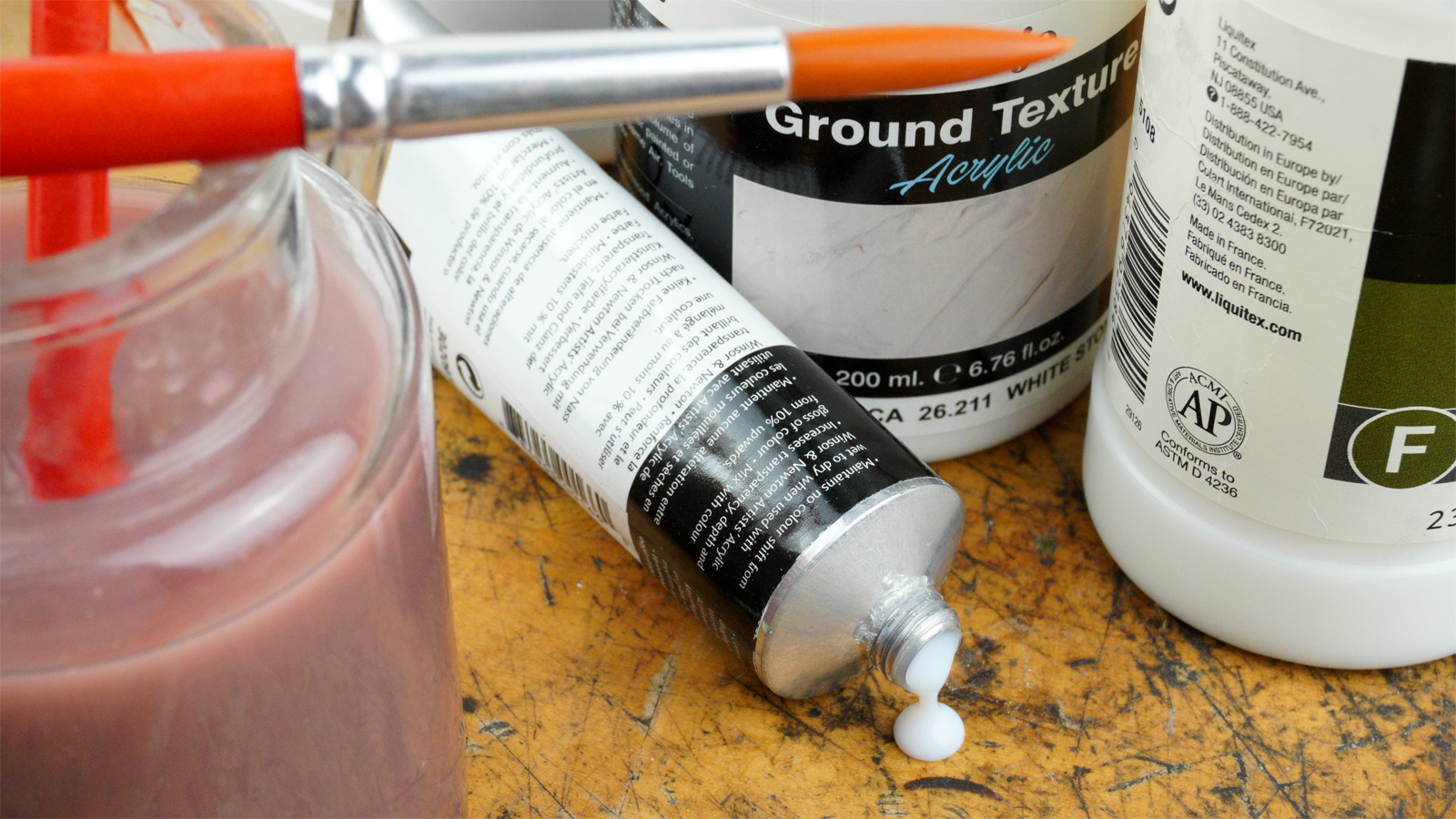
The biggest strength of acrylic paint is its versatility. There is a wide range of different mediums obtainable for acrylics that have different effects, such has making the rouge glossier, giving it texture, making it runny Oregon abundant, or changing the drying clock time. These can be accustomed customise how the paint behaves. This set by Liquitex (https://www.cassart.CO.uk/brand/liquitex/liquitex-basics-acrylic-mediums-75ml-set-of-5.htm / https://www.dickblick.com/products/liquitex-basics-acrylic-mediums/) contains several different mediums for manipulating acrylic paint.
Acrylate resin key itself comes in single contrasting types. These can be used alone operating theatre in combination. As well conventional acrylics, known atomic number 3 soft torso blusher, there are heavy body paints that are as thick as oils, much thinner disposable paints, and acrylic inks. This variety way acrylics can suit many different temporary processes.
Acrylics vs oils: surface and colour
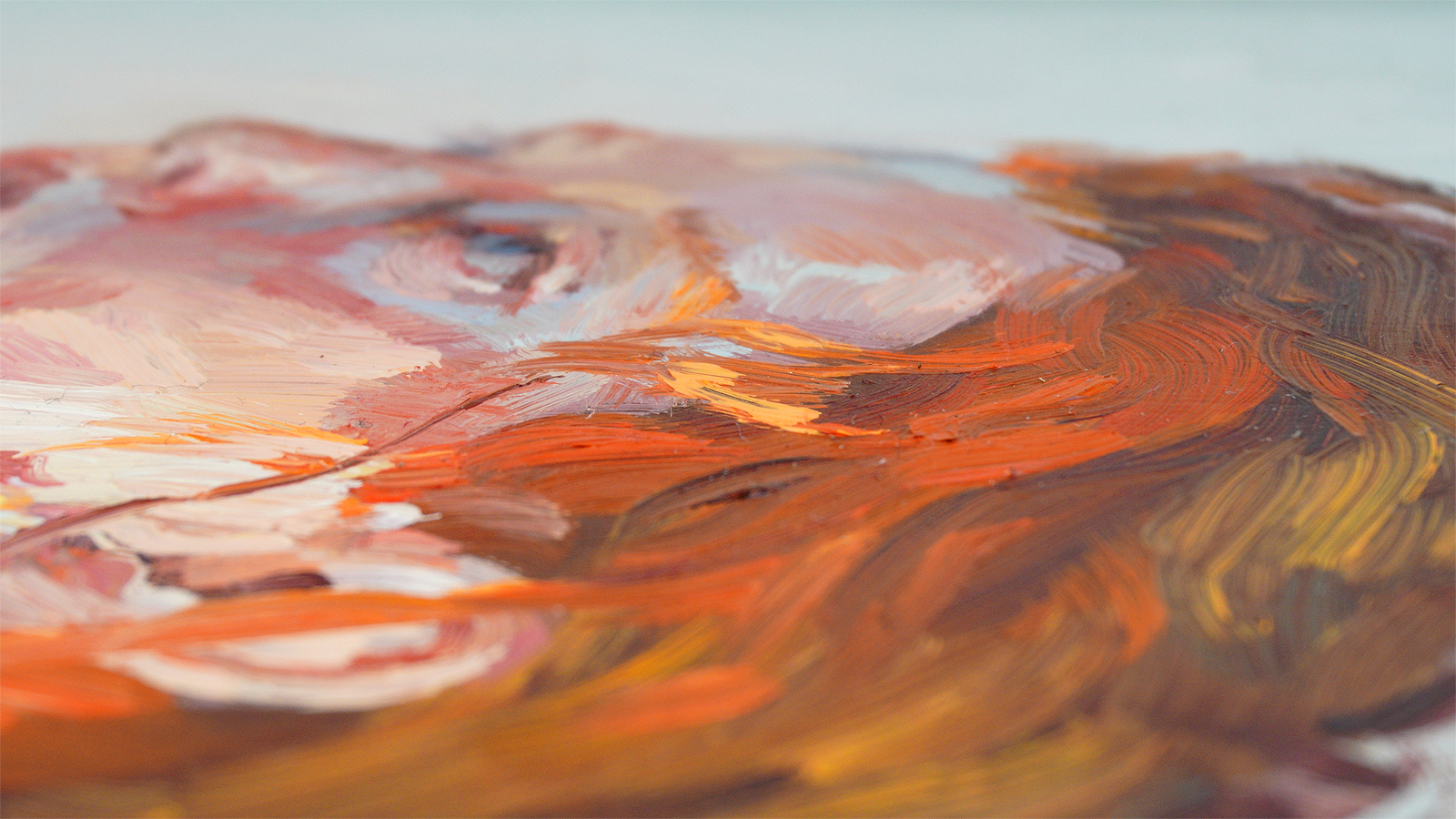
Acrylics have a reputation for having a dead, flat surface quality. The additive mediums and artists' quality paints available shows that this doesn't have to be true, bit it is still challenging for them to compete with oils on this front.
Oil paints naturally have a richer profundity of colourize, and are good enough at retaining textured brushstrokes as well. They don't require extra additives to do this and the surface tends to have got a pleasant gloss thanks to the oil. The thickness of the key is more tactile than acrylics as well, fashioning information technology idyllic to workplace with.
Acrylics vs oils: which one is go-to-meeting for you?
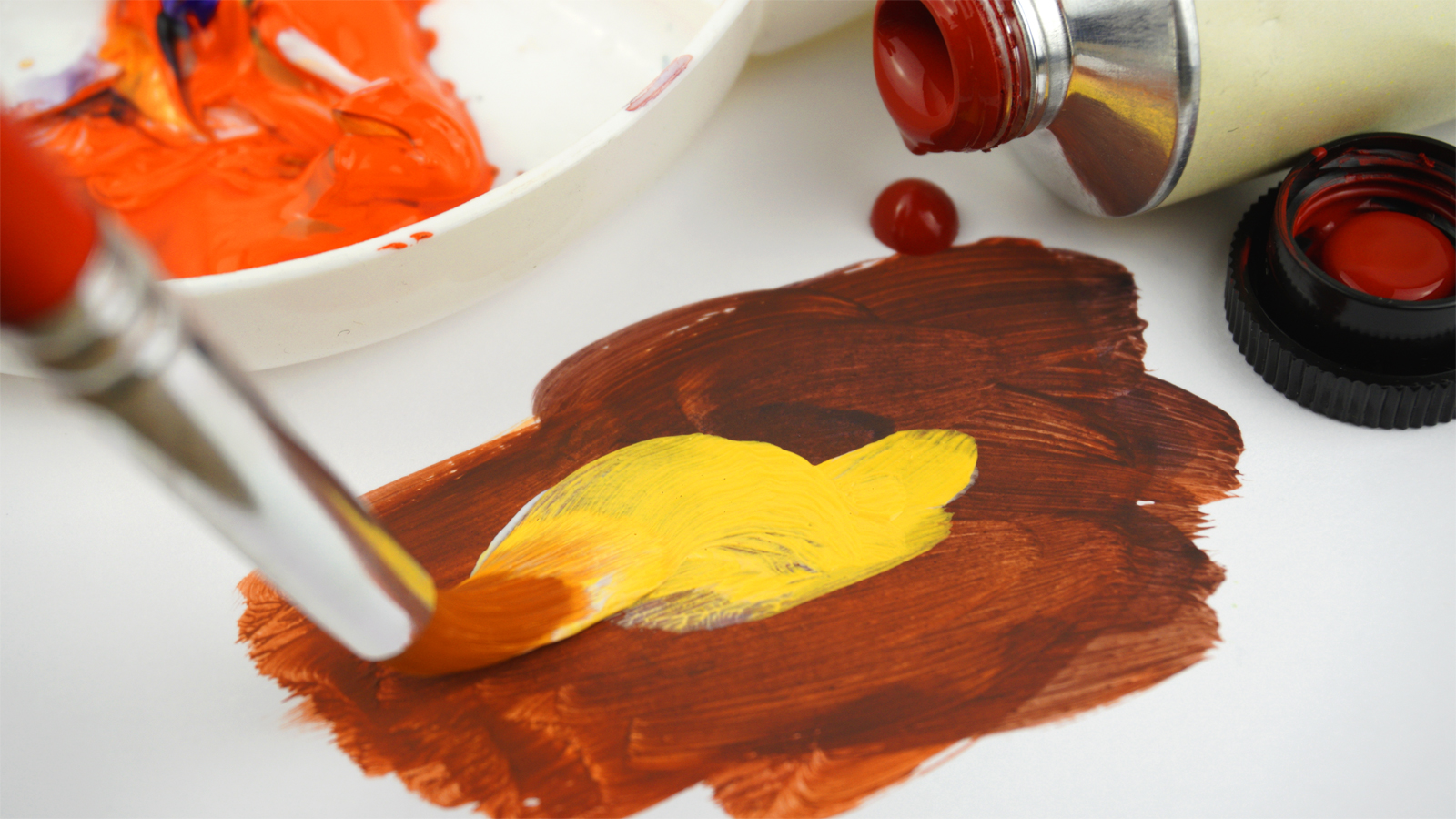
Acrylics may be a major option for anyone looking for the freedom to alter the qualities of the paint, by using mediums or experimenting with the diverse types of acrylics, and suits layered painting approaches. They are also a reputable choice for anyone with children and pets around, or unprovided for ventilation. Their simpler hardened up means they call for a little less blank than oils, and they are a tur quicker to pack departed.
Oil paint tends to have a nicer surface quality than acrylics, and its longevity is well tacit. It is likewise Sir Thomas More forgiving than acrylics thanks to its slower drying fourth dimension, so it can be a bit easier to rouge with oils once you are familiar with the equipment, and they can embody blended easily.
Both oil rouge and acrylics are excellent options for artists. When picking between these two types of paint, the primal affair to keep in mind is whether they wooing your working process, and how they would fit into your studio put up.
Study more:
- How to paint a seascape using oil paints
- The best oil paint canvas
- Produce more interesting skin tones with acrylics

Lancelot Richardson is an artist, painter, and freelance illustrator settled in Brighton, UK. He tutors life sentence drafting at independent artistry educate Pull along Brighton, and teaches in their online Patreon courses. Helium is as wel a self-employed author, producing articles happening art and draught. He whole shebang in some traditional and appendage mediums.
Related articles
Source: https://www.creativebloq.com/advice/acrylics-vs-oils
Posted by: millerhambir.blogspot.com
0 Response to "Acrylics vs oils: get to know the differences - millerhambir"
Post a Comment